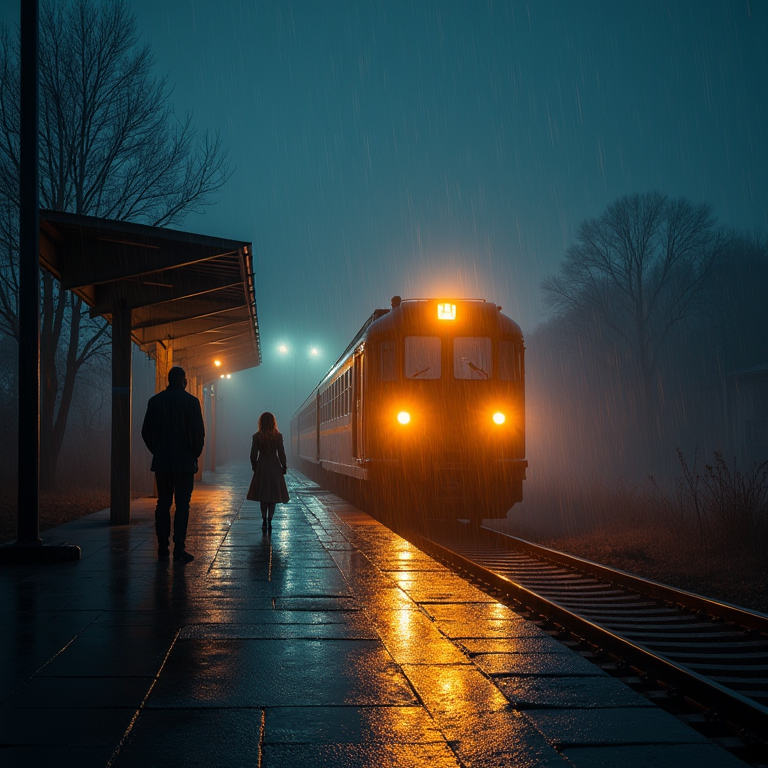
The Last Train to Nowhere
The train came at 2:17 AM, every night, and it stopped at the platform for exactly four minutes, and in those four minutes the people who were waiting got on, and the people who were on it got off, and which was what the station master had learned, in his seven years at the station, and which was what he had come to expect, and which was what he had stopped questioning, because the questioning was not what the station was for, and which was what he did, every night, at 2:17 AM, which was to watch, and to count, and to make sure that the people who got on were the people who were supposed to get on, and which was what he was doing, on the night that she appeared, which was the night that changed everything, and which was the night he would remember, for the rest of his life, at the station, and which was the night that she came to the platform, at 2:17 AM, and stood at the edge, and looked at the train, and did not get on, and which was what the not getting on was, for the seven years that he had been watching, and which was what he had never seen, before, and which was what he could not stop watching, and which was what made him step out of his booth, and walk to the edge of the platform, and stand next to her, and ask her why she was not getting on, and which was what she answered, which was that she was waiting for someone who was on the train, and which was what he understood, after she said it, and which was what made him look at the train, again, and at the faces in the windows, and at the person who was looking back, from the window of the third car, and which was a face that he recognized, and which was the face of someone who had been dead for three years, and which was what he had not known, until that moment, and which was what the train had been carrying, for the three years, and which was what the train did, every night, at 2:17 AM, which was to bring the dead back, for four minutes, and to take them away again, and which was what the station master had been part of, for seven years, without knowing, and which was what he was now part of, which was the waiting, and the watching, and the remembering, and the person in the window, who was looking at the woman on the platform, and who was waiting for the four minutes to end, and who would get back on the train, when the doors closed, and who would go back to wherever the train went, after it left the station, and which was what he now understood, and which was what he could not tell anyone, and which was what he kept, for the rest of his life, at the station, and which was what he did, every night, at 2:17 AM, which was to watch, and to count, and to not question, and to let the train do what the train did, and which was what the woman on the platform understood, now, and which was why she did not get on, and which was why she stood on the platform, at 2:17 AM, and waved, as the train left, and as the person in the window waved back, and as the four minutes ended, and as the train went into the dark, and as the platform was empty, again, and which was what he watched, and what he counted, and what he remembered, and which was what the station was for, and which was what the seven years had been for, and which was what the woman understood, and what the dead person understood, and what the train was, in the end, which was not just a train. It was a meeting place, and the meeting was what happened, every night, at 2:17 AM, for four minutes, and which was what he had been guarding, all along, without knowing, and which was what he guarded, now, with the knowing, and with the watching, and with the not telling, and with the counting, and with the seven years that became the rest of his life, at the station, at 2:17 AM, every night, and which was what the train was, and what the platform was, and what the woman was, and what the dead person was, and what the four minutes were, and what they were for, and what they meant, and what they did, and which was the meeting, and the goodbye, and the wave, and the train that went into the dark, and the platform that was empty again, and the station master who stood there, and who watched, and who counted, and who remembered, and who was the only one who knew, and who kept the knowing, for the rest of his life, at the station, at 2:17 AM, every night, waiting for the train, and watching the woman who came, and who waved, and who did not get on, and who understood, and which was what she did, every night, at 2:17 AM, and which was what the seven years became, for the station master, and which was what the rest of his life was, at the station, and which was what he had been doing, all along, without knowing, and which was what he did, with the knowing, now, and which was what the train was, and what it meant, and what it did, and where it went, and which was nowhere, and which was nowhere that anyone could follow, and which was why the woman did not get on, and why she waved, and why she stood on the platform, at 2:17 AM, and waited, and watched, and said goodbye, and which was what the four minutes was for, and which was what the train was for, and which was what the station was for, and which was what the station master was for, and which was what he kept, and what he guarded, and what he watched, and what he remembered, and which was the train, and the woman, and the dead person, and the four minutes, and the platform, and the station, and the seven years, and the rest of his life, and the 2:17 AM, every night, and the wave, and the goodbye, and the train that went into the dark, and the platform that was empty, and the station master who stayed, and who watched, and who counted, and who remembered, and who knew, and which was what the night was, in the end, and what it was for, and what it meant, and what it did, and which was the meeting, and the goodbye, and the wave, and the train, and the dark, and the empty platform, and the station master who was still there, at 2:17 AM, every night, and which was what the seven years had been, and what the rest of his life was, and which was what the knowing was, and what it meant, and what it kept, and what it remembered, and which was everything, and which was what the train brought, every night, at 2:17 AM, and which was what the station master watched, and guarded, and remembers, and which was what the station was, in the end, which was not just a station. It was a place where the living met the dead, and where the dead got on the train, and went back to wherever they came from, and which was what the four minutes was, and what it was for, and what it meant, and what it did, and which was what the woman knew, and what the station master knew, and what the train knew, and what the platform knew, and what the 2:17 AM knew, and what the seven years knew, and what the rest of his life knew, and which was the same thing, and which was what they all knew, and what they all kept, and what they all remembered, and which was the train, and the four minutes, and the woman, and the dead person, and the wave, and the goodbye, and the dark, and the empty platform, and the station master who stayed, and who watched, and who counted, and who remembered, and who was there, at 2:17 AM, every night, and which was what the station was for, and what it did, and what it meant, and what it kept, and which was the train, and the dead, and the four minutes, and the platform, and the station master, and the seven years, and the rest of his life, and the woman who came, every night, at 2:17 AM, and who waved, and who did not get on, and who knew why, and which was what the knowing was, and what it meant, and what it kept, and what it was for, and which was the train, and the four minutes, and the goodbye, and the wave, and the dark, and the empty platform, and the station master who stayed.