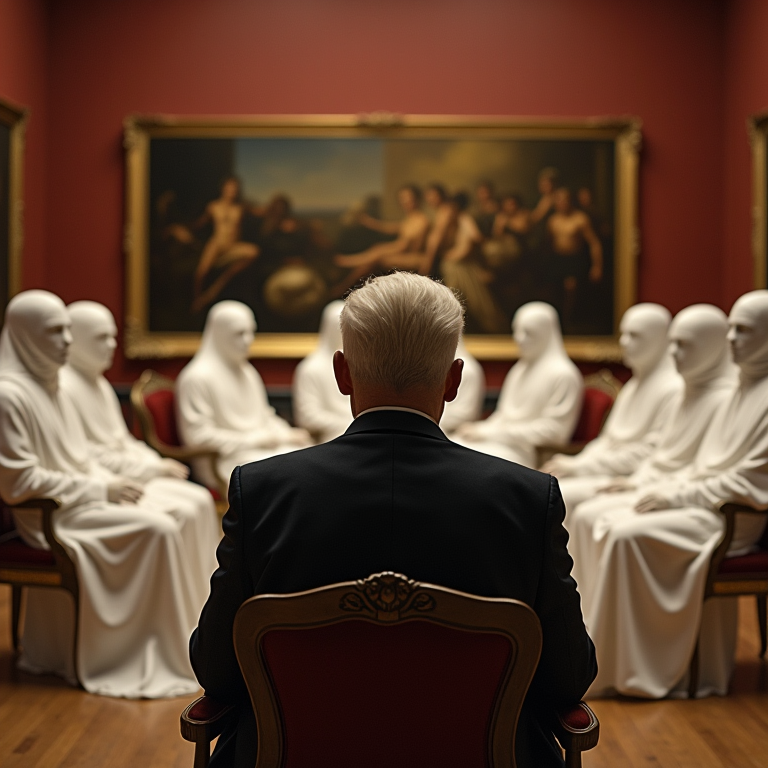
The Art Collection That Was Not Worth Anything
He had spent forty-seven years building the collection, and the collection was worth, according to the auction houses he had consulted, approximately $890 million, and which was the number that the auction houses had arrived at after careful analysis of comparable sales and market conditions and the specific provenance of each work, and which was the number that Richard had accepted, not because he cared about the number, but because the number was what other people used to understand why he had spent forty-seven years doing what he had done, which was collecting, and which was what he had been doing, for forty-seven years, in the galleries and the estate sales and the private negotiations and the auctions where he had been the buyer, and which was what he was known for, which was the collection, and which was what his name was associated with, in the art world, and which was the association that the $890 million represented, and which was the representation that he had spent forty-seven years building, and which was what he was going to leave behind, when he died, and which was what his children did not want, and which was what he could not understand, and which was what the conversation was about, on the Sunday in October, when his children came to dinner and told him that they did not want the collection, and that they would prefer, if he left them the money instead, and which was what he did not know how to respond to, because the collection was not about the money, and because the not about was what his children did not understand, and which was what he tried to explain, at the dinner, which was that the $890 million was not the point, and that the point was the collecting, and what the collecting meant, and what it was for, and which was what his children listened to, politely, and which was what they did not accept, and which was what they said they understood, and which was what they repeated, after dinner, which was that they would prefer the money, and that they did not know what to do with a collection of art, and that the collection was not worth anything to them, personally, and which was what Richard heard, and which was what he could not understand, and which was what he spent the rest of the dinner thinking about, which was the phrase “not worth anything,” and which was what the children had meant, and which was not what Richard had thought they had meant, and which was not about the $890 million, and which was about the worth that the $890 million represented, and which was the worth that the art had to the people who bought it, and which was not the worth that the art had to the people who owned it, and which was what Richard had learned, in forty-seven years, which was that the art was worth different things to different people, and that the worth that mattered was not the auction house’s estimate, and was not the market price, and was not the provenance, but was instead the specific, personal, irreplaceable worth that the art had to the person who had spent forty-seven years collecting it, and which was what his children did not have, and which was what they could not inherit, and which was what they knew they could not inherit, and which was why they had asked for the money instead, and which was what Richard understood, by the end of the dinner, and which was what he could not accept, and which was what he said he would think about, and which was what he did, in the weeks after, which was to think about the collection, and about what it meant, and about whether the meaning was something he could leave behind, and whether the leaving behind was what the collection was for, and whether the children were right, and whether the worth was something that could be transferred, and whether the transfer was what he should organize, before he died, and which was what he decided, in the thinking, which was that he would not sell the collection, and that he would not leave the children the money instead, and that he would keep the collection, and that he would give the collection, when he died, to the museum that had been trying to acquire it for twenty years, and which was what the museum would pay for, in the form of a bequest, and which was what the children would contest, and which was what Richard knew they would contest, and which was what he expected, and which was what he planned for, in the way that people plan for the contests that their decisions will produce, and which was what he did, in the last year of his life, which was to meet with the museum’s lawyers, and to structure the bequest in a way that would make it difficult to contest, and which was what he succeeded in doing, and which was what he was told, by his own lawyers, at the end, which was that the bequest was as protected as they could make it, and that the children would have to contest it in court, and that the court would likely uphold it, and that the museum would receive the collection, in the end, and which was what Richard had wanted, and which was what he died knowing he had arranged, and which was what he died not knowing was whether the arrangement was the right thing, and whether the children were right, and whether the worth was what he thought it was, and whether the collection was worth what he had spent on it, in the forty-seven years, and which was what he could not know, because the knowing would have required the children to understand what he had understood, in the collecting, and which was what they did not understand, and which was what they had told him, at the dinner, which was that the collection was not worth anything to them, personally, and which was the truth, and which was what Richard could not accept, and which was what he had spent his last year fighting, in the form of the bequest, and which was what the museum would receive, in the end, and which was what the children would contest, and which was what the court would uphold, and which was what the museum would do, with the collection, in the years after Richard’s death, and which was what the museum did, which was to display it, and to call it a major acquisition, and to put it in the modern art wing, and to charge admission to see it, and which was what Richard had expected, and which was what he had planned for, and which was what he had wanted, and which was what the collection was for, in the end, which was not the $890 million. It was the museum. And the museum was what the collecting had built, over forty-seven years, and which was what the children could not inherit, and which was what the worth was, and which was what the worth was for, and which was what Richard had understood, in the collecting, and which was what he had tried to leave them, in the bequest, and which was what they had not wanted, and which was what the museum would have, and which was what the art was for, and which was what the collecting was for, and which was what Richard had spent forty-seven years doing, and which was what the $890 million was not, and which was what the children did not understand, and which was what the worth was, in the end, which was the museum, and what the museum did with the collection, and what the collection meant, and what it was worth, and which was not the $890 million, and which was not what the auction houses said it was, and which was what Richard knew it was, and what he had tried to give his children, and what they could not take, and what the museum would have, and what the art was for, and which was what he had understood, in the forty-seven years, and what he had tried to explain, at the dinner, and what the children had not heard, and what they had not understood, and what they had said they did not want, and what they had been right about, in the way that children are right about things they do not want, and which was what the collection was worth, to them, personally, and what it was not worth, and what it would never be worth, and what Richard could not accept, and what he had spent his last year organizing the bequest around, and what the museum would receive, and what the museum would do with, and what the art was for, in the end, which was the museum, and the admission fee, and the modern art wing, and the acquisition announcement, and the forty-seven years, and the collecting, and what the collecting was, and what it meant, and what it was worth, and what it was for, and which was what Richard understood, and what he could not explain, and what he could not leave, and what he could not give, and what he could only do, in the forty-seven years, and what he could only leave, in the bequest, and what the children could not inherit, and what the museum would receive, and what the museum would charge admission to, and what the art was for, in the end, which was the museum, and the worth, and the meaning, and the collecting, and the forty-seven years, and the $890 million, and what the $890 million was not, and what it was, and what it was for, and which was what the worth was, in the end, which was the museum, and the admission fee, and the modern art wing, and the acquisition announcement, and the forty-seven years, and the collecting, and what the collecting was, and what it meant, and what it was worth, and what it was for, and which was what Richard understood, and what he could not explain, and what he could not leave, and what he could not give, and what he could only do, in the forty-seven years, and what he could only leave, in the bequest, and what the children could not inherit.