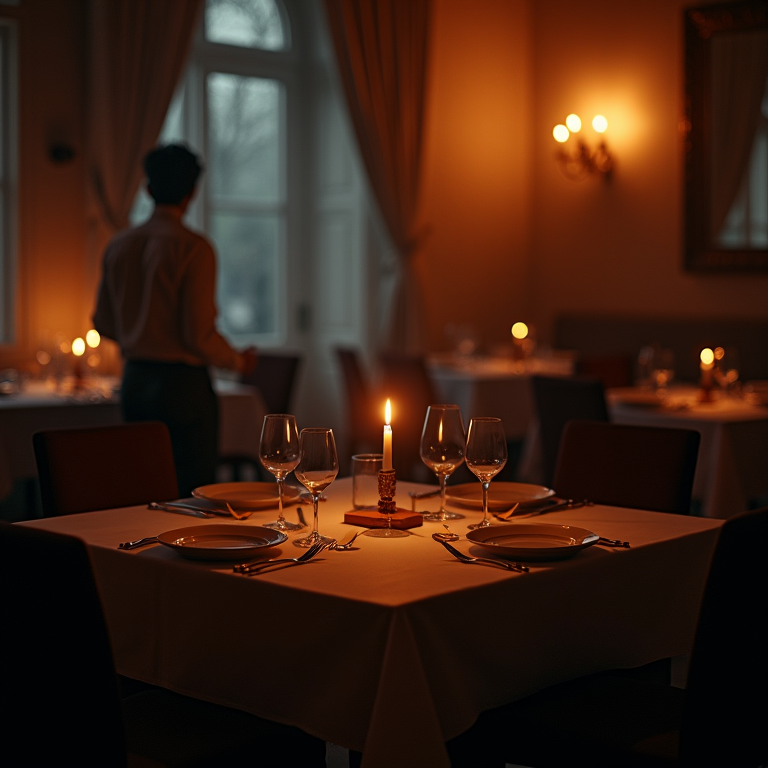
The Restaurant Where They Remembered Your Order
The restaurant had been there for as long as anyone could remember, which was not very long, because the restaurant had opened only seven years ago, but the seven years had been enough for the restaurant to develop the kind of history that places develop when they are good at what they do, and which the doing was what the restaurant did, which was to remember, and which the remembering was not the ordinary kind of remembering that all restaurants do, which is the remembering of orders and of preferences and of the names of the regular customers, but was instead the specific kind of remembering that the restaurant had developed, over the seven years, which was the remembering of the things that people had lost, and which the losing was what the restaurant had learned to sense, in the people who came to it, and which the sensing was what the restaurant did, in the way that all good restaurants sense things about their customers, which is by paying attention, and which the attention was what the restaurant was best at, and which the best at was what had made it famous, in the neighborhood, and which the fame was what brought people from other neighborhoods, and from other parts of the city, and eventually from other cities, and which the bringing was what the restaurant encouraged, not through advertising but through the specific kind of口碑 that builds around a place that does something that other places do not do, and which the not doing was what made the restaurant unusual, and which the unusual was what the restaurant was, in the seven years since it opened, and which the seven years were the time it took to learn what it had been learning, which was to remember the things that people had lost, and which the losing was what the restaurant sensed, in the people, in the way that the people who came to it were always people who had lost something, and which the something was what the restaurant could identify, from the way they sat, and from the way they ordered, and from the way they looked at the menu, and from the way they did not look at the other people at their table, and which the not looking was what the restaurant had learned to recognize, as a sign of the losing, and which the recognizing was what the restaurant did, when it sent the server to the table, with the thing that the person had lost, which was not on the menu, and which was not something the person had ordered, but which was something the restaurant had prepared, specifically, for the person, based on what the restaurant had sensed, in the way the person had been when they came in, and which the the coming in was what triggered the sensing, and which the triggering was what the restaurant did, automatically, in the way that all good restaurants develop automatic responses to the people who enter them, and which the responses were what made the restaurant different, and which the different was what people talked about, in the reviews, and which the reviews were what brought more people, and which the bringing was what the restaurant had learned to handle, in the seven years, and which the handling was what it got better at, over time, in the way that all restaurants get better at handling the things that make them popular, and which the popular was what the restaurant was, and which the was was what it had become, in the seven years, which was a place that remembered the things that people had lost, and that sent servers to tables with items that were not on the menu, and that were specific to the people who were sitting at the tables, and which the specificity was what the people noticed, and which the noticing was what they talked about, in the reviews, and which the reviews were what made the restaurant famous, and which the fame was what made it busy, and which the busyness was what the restaurant managed, in the seven years, and which the managing was what it learned to do, better than anything else, and which the anything else was what it had been founded to do, which was to serve food, and which the food was still good, and which the good was what the restaurant did, in addition to the remembering, and which the addition was what made it a restaurant and not something else, and which the else was what people sometimes wondered about, when they came, and when the server brought them the thing they had lost, and when they understood that the restaurant was not just a restaurant. It was a place that remembered, and that sent what had been lost to the people who needed it, and which the needing was what the restaurant sensed, in the coming in, and which the sensing was what it had learned to do, over seven years, and which the seven years were the time it took to become what it was, and which the was was what it is, now, and which the now is what the restaurant is, which is a restaurant that remembers, and that serves food, and that sends servers to tables with things that are not on the menu, and that are exactly what the person at the table needed, and which the needed was what the restaurant knew, and which the knowing was what it was for, and which the for was what the restaurant did, in the seven years, and which the doing was what it got better at, over time, and which the time was what the restaurant had, and which the having was what it used, to remember, and which the remembering was what it did, for the people who came, and which the coming was what brought them there, and which the bringing was what the restaurant depended on, and which the depending was what it did, for the seven years, and which the seven years were what it took to become what it is, which is the kind of place that people go when they have lost something, and which the losing was what the restaurant knew about, and which the knowing was what it served, and which the serving was what it did, in the food, and in the thing that was not on the menu, and which the not on the menu was what people came for, and which the coming was what the restaurant expected, and which the expecting was what it prepared for, and which the preparing was what the restaurant did, every day, for seven years, and which the seven years were the time it took to learn what it knew, and which the knew was what it did, and which the doing was what made it what it is, which is a restaurant that remembers, and that knows, and that serves, and that sends the server to the table, with the thing that was lost, and that is found, in the restaurant, by the restaurant, for the person who needed it, and which the needing was what brought them there, and which the there was where the restaurant was, and which the was was what it had always been, and which the always was seven years, and which the seven years were what it took to become the place that people go when they have lost something, and which the losing was what the restaurant remembered, and which the remembering was what it did, for the people who came, and which the coming was what the restaurant was for, and which the for was what it served, in the food, in the thing not on the menu, in the server, at the table, with the lost thing found.