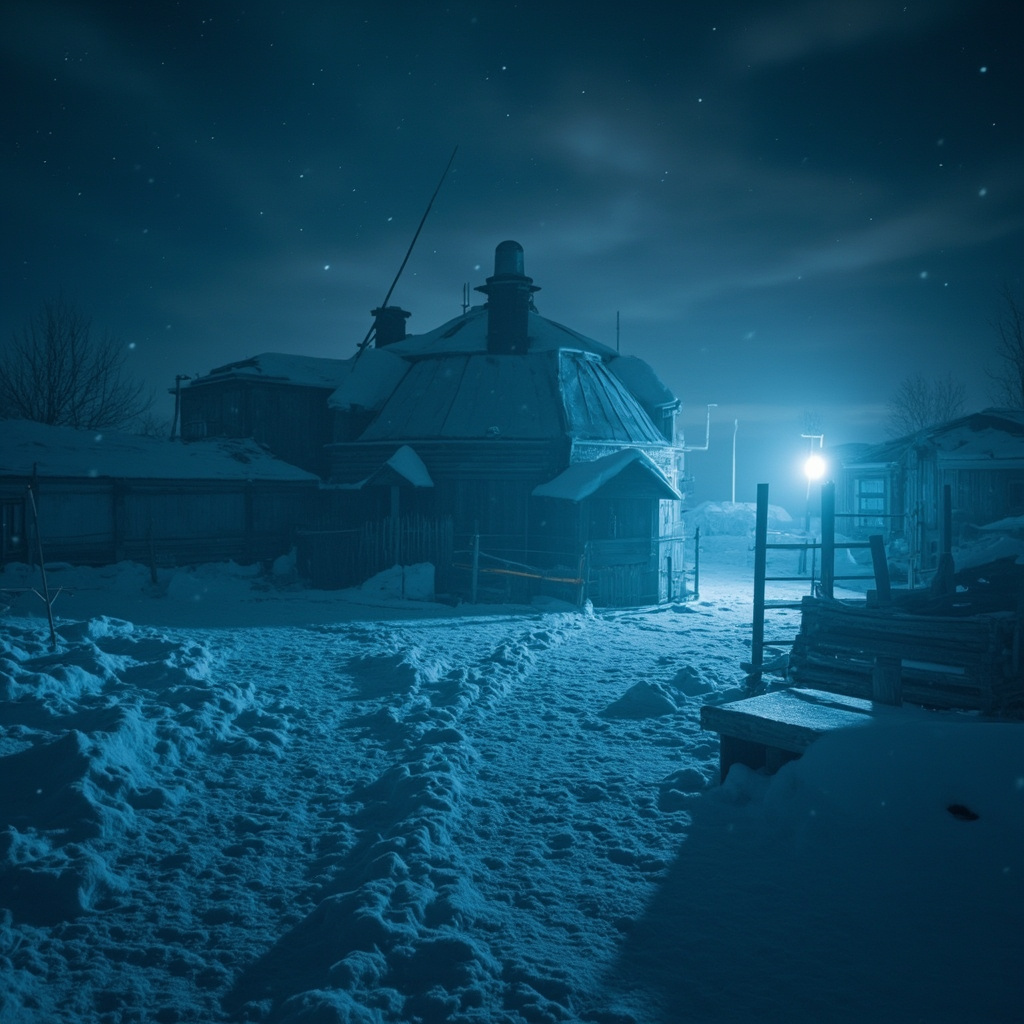
The Forgotten Oath
The order had guarded the pass for eight hundred years. This was the official history—the version that appeared in the chronicles kept in the fortress library, the version that the senior knights recited during the annual ceremony of renewal, the version that the few scholars who visited the remote mountain outpost were allowed to read. According to this history, the order had been founded by a coalition of northern kingdoms who recognized that the mountain pass was the only viable route between their lands and the hostile territories to the south, and that whoever controlled the pass controlled the fate of nations.
The truth, as Sir Aldric knew it, was rather different.
The order had been founded by a woman whose name had been erased from the chronicles, in an era so distant that even the oldest stories had forgotten it. She had been a sorceress of enormous power. And she had made a discovery that she was not supposed to make. The mountains were not merely mountains. The pass was not merely a pass. And the things that lived in the high peaks were not merely bandits or refugees. They were not the various mundane threats that the official histories described.
The things in the mountains were absences. Holes in the fabric of the world. Spaces where reality had been scraped away by something older than language, older than thought, older than the concept of existence itself. They consumed. They spread. They turned the living into echoes of themselves and the echoes into nothing.
The woman had sealed the pass with a series of oaths—binding words that she had spent decades crafting, words that were not commands but names, not orders but addresses. She called the absences by their true names, and the act of naming, even nameless things, even things that had never been meant to have names, created an obligation to respond. The absences could not leave the pass. They had been addressed. They had been acknowledged. Someone in the world of form and matter had recognized their existence and demanded that they account for it.
The knights were not guards. They were namers. And their oaths were not pledges of protection but rather the words of the original binding, passed from master to apprentice, teacher to student, one generation to the next, word for word, even when no one remembered what the words meant.
Sir Aldric was the last of his line in a very specific sense: he was the last knight who had been trained by someone who remembered the full tradition. His master, a woman named Seraphine who had died during a particularly severe winter, had been the thirtieth in the direct chain of teachers that stretched back to the original founder. She had spent three years teaching Aldric the oaths, the rituals, the proper way to speak the words that had no meaning and every meaning, the correct intonation for syllables that were not quite language.
“You don’t need to understand them,” she had told him, on the last night before she died. “You only need to speak them correctly. The absences don’t care what you think you’re saying. They care about the sound, the shape, the fact that someone is addressing them at all. It’s like the difference between a formal letter and a phone call. The words matter less than the fact that you’re speaking to someone specific.”
Aldric had trained his replacement, as he had been trained: a young woman named Sera who had appeared at the fortress gates five years ago, claiming to have walked for three months from a village on the southern side of the mountains. She had been seventeen years old and already showing the signs of what the order called “the sight”—the ability to perceive the absences in their true form, as holes in reality rather than as the misshapen monsters that ordinary people sometimes glimpsed in their peripheral vision.
Sera was gifted. More gifted than Aldric had been, more gifted than anyone he had ever trained. She learned the oaths in six months, when it typically took three years. She understood the rituals in a way that went beyond mere repetition, that showed a genuine grasp of the underlying structure of what the original founder had created. By the time she was twenty, she was already better at the work than Aldric had ever been.
The winter that changed everything came when Aldric was sixty-three and Sera was twenty-three. It was not exceptionally cold, or exceptionally long, or exceptionally different from the winters that had preceded it in any way that the weather records captured. But something shifted in the mountains that year—some balance that had been maintained for centuries tipped in a direction that no one had anticipated.
The absences began to spread beyond the pass.
It started with livestock: sheep and goats that wandered too close to the mountain slopes, disappearing without a sound, leaving nothing behind but empty collars and bells. Then it was the occasional traveler: merchants who used the pass regularly, who knew its dangers, who should have known better than to stray from the marked path. Then it was whole families, whole caravans, entire communities that had lived in the shadow of the mountains for generations and had apparently forgotten, over centuries of peace, what the peace was actually maintaining.
Aldric descended into the pass for the last time on the winter solstice, the longest night of the year, when the absences were at their strongest. He carried no weapons—he had not needed weapons in forty years of service, and weapons would have been useless anyway. He carried only the book of oaths, the leather-bound volume that contained every word his predecessors had spoken, every name they had called, every acknowledgment they had offered to the things that waited in the dark.
He spoke for six hours without stopping. The oaths came out of him in a continuous stream, his voice raw and cracked, his throat burning, his chest aching with the effort of breathing while speaking words that seemed to use up all the air in the surrounding space. The absences listened. They always listened—they had no choice, because the oaths compelled them to listen, because the act of naming created an obligation to respond.
By dawn, the spreading had stopped. The absences had retreated back to their original territory, behind the boundaries that eight centuries of namings had established. But the cost was absolute: Aldric’s voice was gone, his body was broken, and he knew—with the certainty that comes from thirty years of working with the things that lived in the mountains—that he would not survive the winter.
Sera carried him back to the fortress on a sled made from the doors of the great hall, pulling him through snow that came up to her knees, through wind that tried to push her back, through cold that froze her tears before they could fall. He was alive when they reached the gates, barely. And he remained alive for another three days. Long enough to see Sera begin her work. Long enough to hear her speak the oaths with a precision that he had never achieved. Long enough to understand that the order would continue, that the pass would hold, that the things in the mountains would remain bound for another generation.
She trained her replacement. And her replacement trained theirs. And the oaths continued, eight hundred years becoming nine hundred, nine hundred becoming a thousand, the words always changing, always being refined, always meaning less to the knights who spoke them and more to the absences that heard them.
The official history was updated, eventually, to remove all mention of the original founder. The chronicles were revised to emphasize the military character of the order, its strategic importance, its role in maintaining the balance of power between northern and southern kingdoms. The oaths were retranslated, reinterpreted, presented as pledges of loyalty rather than names of binding. The scholars who visited were shown a version of the truth that was safe, comprehensible, useless.
But the things in the mountains never forgot. They waited, in their holes in reality, in their spaces where existence had been scraped away. They waited for the names to be spoken, for the oaths to be renewed, for the obligation to respond to be acknowledged by someone in the world of form and matter. And when the winter came, and the solstice approached, and the knights rode out to the pass to speak the words that had no meaning and every meaning, the absences listened.
They always listened.
They had no choice.