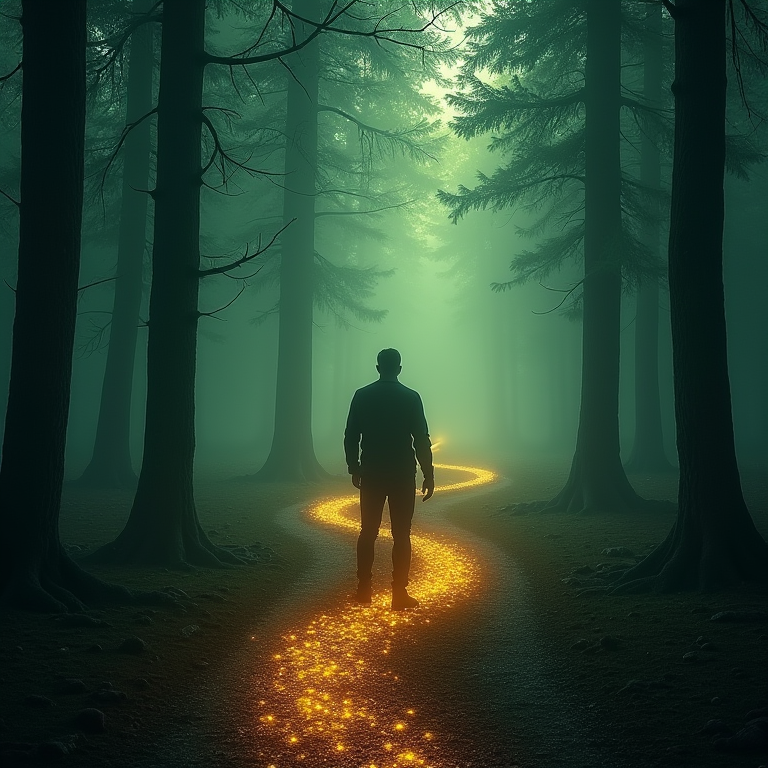
The Crossroads He Found at the Edge of Town
She made maps of places that had never been surveyed, which were places that existed only in the specific sense that any place exists when someone has decided to document it, and which were places she had never been but which she could see, in the way that a person can see something when they have been trained to see it, and which the training was what she had received, from her grandmother, who had been a cartographer for the Navy and who had taught her, over the course of ten years, to look at the world with the specific kind of attention that cartography requires, which was the kind of attention that sees not just what is there but what must be there, given what is around it, and which the must be was what she mapped, in the years after her grandmother died, in the maps she made of the places that had never been surveyed, and which were not imaginary places but were instead the real places that existed in the gaps between the surveyed places, and which the gaps were where the interesting geography was, and which the interesting geography was what she had spent her life mapping.
The first map she made was of a river that did not appear on any official chart but which she could see, in the satellite imagery, as a faint dark line in a valley in British Columbia. She spent three weeks verifying the river’s existence before she included it on her map. She verified it by contacting a forestry officer in the region who confirmed that there was, in fact, a river in the valley, and that the river had no official name, and that the river was used by the local First Nations community, who called it by a word that did not translate into English. She included the translation note in her map’s legend, which was the note that said: the river is called, by the people who live near it, the river that remembers, which was the translation she had been given, by the forestry officer, who had been given it by an elder, and which the remembering was what she put on the map, because the cartography of a place is not complete without the names that the place carries, and the names are not the names that the cartographers give them but are instead the names that the people who live in them give them, and which the giving was what names were for, and which the for was what the cartography served, and which the serving was what she did, in the maps she made, which were maps that were not official and that were not published and that were instead the maps she made for the specific purpose of completing the record of the world, in the places where the record was incomplete, and which the incomplete was where she worked, and which the working was what she was good at, and which the good at was what she was, in the cartography of the unseen, which was what she called her work, when anyone asked, and which the asking was rare, because the work was not the kind that attracted questions, and which the not attracting was what made it the right work for her, because the right work is the work that does not require the explanation of itself, and which the the not requiring was what the work provided, in the anonymity, and which the anonymity was what she needed, in order to do the work, and which the doing was what she was good at, and which the good at was what she was, and the was was the cartographer, and the cartographer was the mapper of the unseen, and the unseen was what she saw, and the seeing was what she did, and the doing was the work, and the work was the mapping of the river that remembers, and the remembering was what the river did, and the river was what she mapped, and the mapping was what she was good at, and which the good at was what she was, and which the was was the cartographer, and the cartographer was what she was, and what she was was the mapper of the places that were not on the charts, and which the not on the charts was where she worked, and which the working was what she did, for a living, in the years after her grandmother died, and which the after was the time she spent mapping the world, in the gaps, in the spaces between the surveyed places, and which the between was where she lived, and which the living was what the work was, and which the work was what she was good at, and which the good at was what she was, and the was was the cartographer, and the cartographer was the mapper of the unseen, and the unseen was what she saw, and the seeing was what she did, for a living, in the years after her grandmother died, and which the after was the time she understood that the mapping was not about the places. It was about the mapping itself. And the mapping itself was what she was good at. And the good at was what she was. And what she was was a cartographer of the unseen, which was a way of saying that she was a person who saw the world as it was, in the gaps, in the spaces between, in the places that were not on the charts, and which the not on the charts was what she mapped, and which the mapping was what she was good at, and which the good at was what she was, and which the was was the cartographer, and the cartographer was what she was, and which the what she was was the mapper of the places that existed in the gaps, and which the gaps were where the interesting geography was, and which the interesting was what she mapped, and which the mapping was what she was good at, and which the good at was what she was, and the was was the cartographer, and the cartographer was the mapper of the unseen, and the unseen was what she saw, and the seeing was what she did, and the doing was the work, and the work was the mapping, and the mapping was what she was good at, and which the good at was what she was, and which the was was the cartographer, and the cartographer was the mapper of the unseen, and the unseen was what she saw, and the seeing was what she did, for a living, in the years after her grandmother died, and which the after was the time she understood that the work was not about the places. It was about the seeing. And the seeing was what she was good at. And the good at was what she was. And what she was was a person who could see what was there, in the gaps, in the spaces between, and who could map what she saw, and who could give the map to the people who needed it, and which the needing was what the maps were for, and which the for was what the cartography served, and which the serving was what she did, and which the doing was what she was good at, and which the good at was what she was, and the was was the cartographer, and the cartographer was the mapper of the unseen, and the unseen was what she saw, and the seeing was what she did, and the doing was the work, and the work was the mapping, and the mapping was what she was good at, and which the good at was what she was, and which the was was what she was, and which the was was the cartographer.