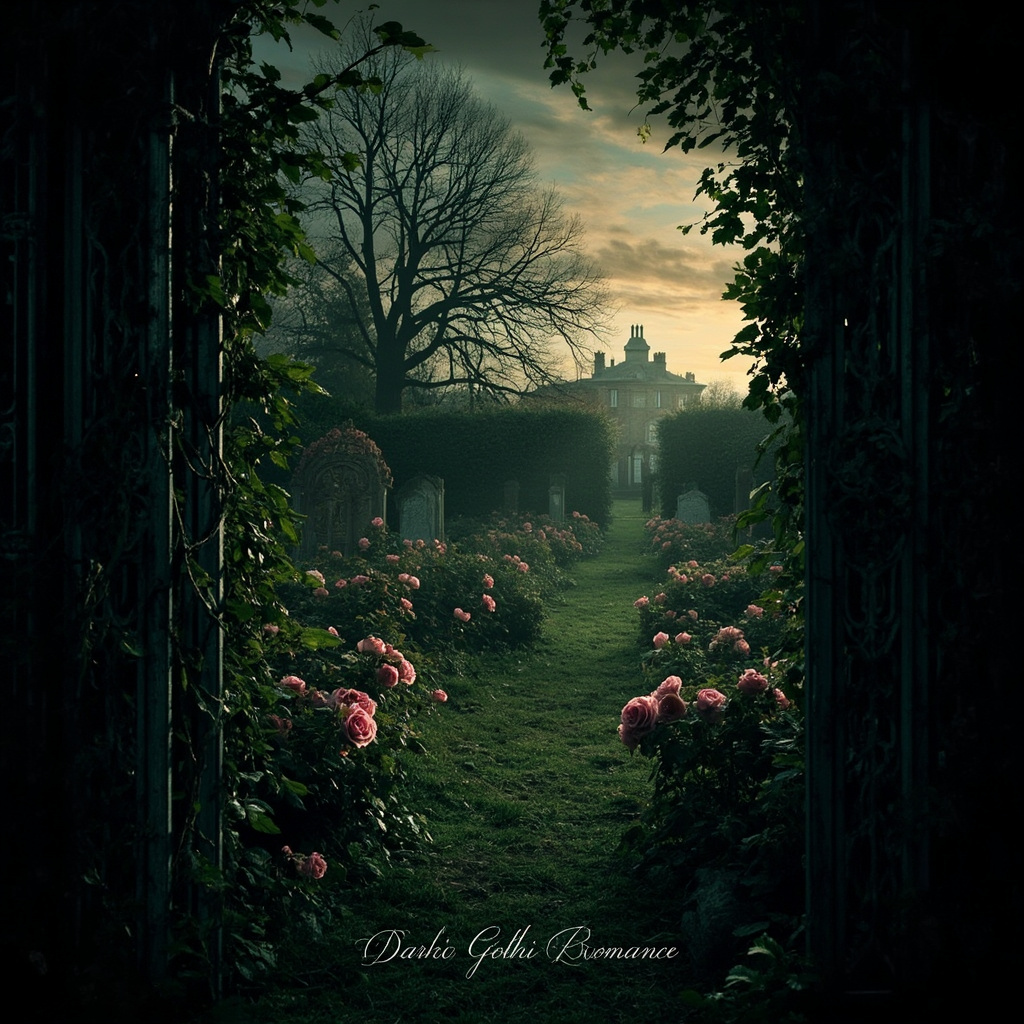
The Garden They Hid
Lady Ashworth’s garden had been famous once. It had been featured in magazines, in books about English garden design, in the social pages of newspapers that covered the lives of the wealthy families who maintained estates in the English countryside. The garden had been Lady Ashworth’s creation—a formal space of hedges and flower beds and gravel paths that wound through enclosures designed to surprise and delight at every turn. Visitors had come from as far as London to see it. They had walked the paths and admired the views and taken tea in the pavilion that Lady Ashworth had built at the center of the garden, where the most perfect roses grew in beds that she tended herself.
Lady Ashworth had been dead for twenty years. The garden had been maintained, in her absence, by a series of gardeners who had kept it alive but had not kept it in the state it had been in during her lifetime. The hedges had grown wild. The paths had become overgrown. The pavilion had fallen into disrepair, its roof leaking, its walls stained with the marks of twenty years of rain that had come through the gaps in the tiles.
The house had been sold, after Lady Ashworth’s death, to a family named the Morgans, who had used it as a weekend house and who had not been interested in maintaining the garden at the level that Lady Ashworth had required. The garden had survived their neglect, but it had survived in a diminished form—still beautiful, in the way that abandoned things are beautiful, but no longer the triumph of design and cultivation that it had been during Lady Ashworth’s life.
Clara Morgan found the hidden garden on her first day in the house. She had been exploring, the way new owners do, opening doors and looking into rooms and trying to understand the space she had inherited. The house was large—too large for a family of four, with its seven bedrooms and its multiple reception rooms and its kitchen that had been designed for a staff that the Morgans did not employ. Clara had wanted a project, and the house was certainly that.
The hidden garden was behind a door in the garden wall, a door that was covered by a climbing rose that had grown over it so completely that Clara had not noticed it until she was standing directly in front of it. She pushed the door open, not expecting anything, and found herself in a space that was different from the garden she had been walking through—a space that was smaller, more intimate, and that had clearly been designed for a purpose other than the public display of wealth.
The hidden garden was a cemetery. Not a formal one, not the kind of cemetery that towns maintain, but a private burial ground, with six graves arranged in a line against the far wall. The graves were old. The headstones were weathered. The inscriptions were barely legible, worn down by two centuries of English weather to the point where Clara could make out only fragments of names and dates.
Clara spent three months researching the cemetery in the hidden garden. She went to the county records office. She searched parish registers. She hired a genealogist who specialized in tracing family histories through the incomplete records that survived from the period when the house had been built. What she found was this: the cemetery contained the graves of Lady Ashworth’s mother, her grandmother, her great-grandmother, and her great-great-grandmother. Five women, in total, all of whom had been buried in the same spot, in the same garden, over a period of two hundred years.
The pattern was this: each woman had come to the house as a bride. Each woman had lived in the house for some period of time. Each woman had died in the house, or shortly after leaving it, under circumstances that were not always clear but that suggested illness or accident or, in one case, suicide. And each woman had been buried in the garden, by the family, in a private ceremony that was not recorded in any parish register.
The genealogist could not explain the pattern. She could document it, but she could not explain it. The women were not related to each other by blood, except in the sense that all humans are related. They had married into the family, had lived in the house, had died in ways that were distributed across two centuries and that showed no obvious common cause. They were simply women who had come to the house and who had not, it seemed, left it again.
Clara did not believe in the supernatural. She was a practical woman, a businesswoman, someone who had built a career on the ability to assess evidence and draw rational conclusions. But she could not explain the dreams she began to have, three months after discovering the cemetery. The dreams were always the same: a woman standing in the hidden garden, looking at the graves, waiting for something that was not coming. Clara could not see the woman’s face. She could only see her back, and the way she stood, and the posture of someone who was waiting.
Clara began to dream every night. She began to feel, during the day, a presence in the house that was not threatening but that was impossible to ignore—a sense that she was not alone, that she was being watched, that someone was waiting for her in the way that she had seen the woman in the garden waiting. She was not afraid. She was something else, something that she could not name, something that felt like recognition.
She went to the hidden garden one evening, as the sun was setting. She stood among the graves and she said aloud, to whoever might be listening: “I know you’re here. I know you’ve been waiting. I don’t know what you want, but I’m willing to listen.”
The response came not in words but in feeling. Clara felt a warmth enter the garden, a presence that was familiar in the way that the dreams had been familiar. She felt, for a moment, the history of the women who were buried there—five women who had lived in the house and had loved the house and had been unable to leave it, even after death.
Clara stayed in the house for the rest of her life. She did not plan to. She had a career, a life in the city, a set of plans that did not include spending her remaining years in a Victorian pile in the English countryside. But she stayed anyway, because the house had asked her to and because she had said yes, in the garden, in the only way that the house could receive her answer.
The garden she maintained. She restored the pavilion, repaired the roof, replanted the roses. She walked the paths every morning and every evening, in rain and in sunshine, in the company of the presence that had never left her. She was not lonely. She had chosen this, in the way that we choose things when we do not know we are choosing them, when the choosing feels like remembering rather than deciding.
When Clara died, at the age of eighty-one, she was buried in the hidden garden, next to the five women who had come before her. The house was sold again, to another family, who would discover the garden eventually and who would make their own bargains with the place. The pattern continued. The women kept coming, kept staying, kept finding in the house the kind of home that they had been looking for without knowing what they were looking for.
Some houses are just houses. And some houses are places where the dead wait for the living, in gardens that have been hidden for generations, in the hope that someone will come who understands what the house is and what it wants to be.