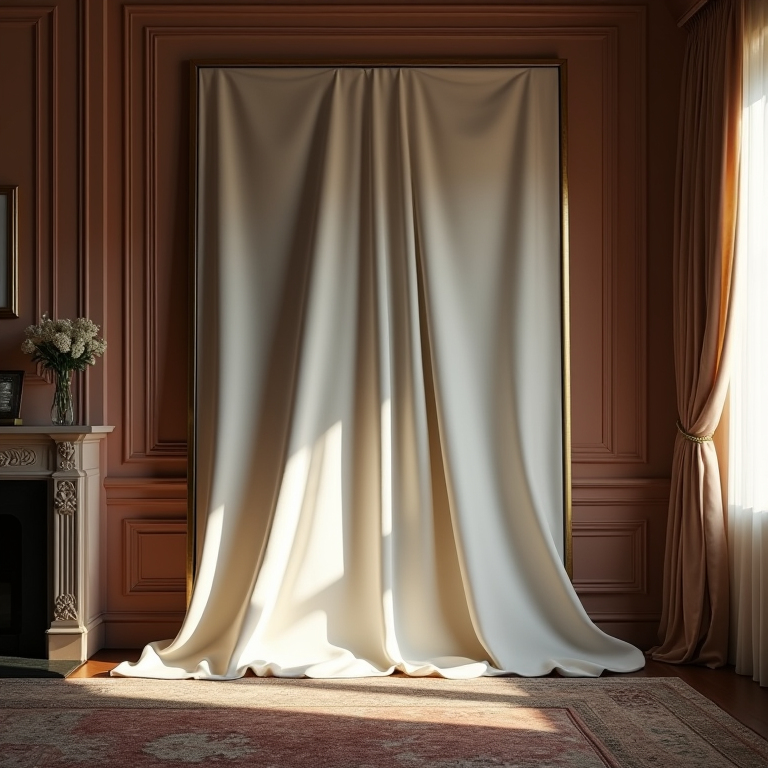
The Trophy He Could Not Display
The trophy was the Delacroix, which was a painting by Eugene Delacroix that had been stolen from a private collection in Paris in 1994 and that had surfaced, in 2019, at an auction in Geneva, where it was purchased for $4.2 million by a man named Richard Vanmeter, who had been bidding by phone and who had not seen the painting in person before purchasing it, which was not unusual for a man who bought paintings by reputation and who had never learned to look at art in the way that art was meant to be looked at, which was with patience, and with the willingness to be changed by what you saw, and which Richard was not willing to be, because the willingness to be changed was the thing he had spent his life refusing, in the paintings and in the relationships and in the business deals and in the specific way he had structured his life so that nothing could happen to him that he had not already anticipated, and which the Delacroix was the opposite of, because the Delacroix was a painting that demanded something from the person who looked at it, and which Richard had not understood when he bought it, and which he understood only after the painting arrived, and after he hung it in the living room of his apartment, and after he stood in front of it for the first time, and after he realized, standing there, that the painting was looking back at him, and that the looking back was the thing that paintings do when they are real, and that the realness was what he had not been prepared for, and what he could not manage, and what he could not incorporate into the performance of himself that he had been giving, all his life, which was the performance of a person who had everything under control, and which the Delacroix was disrupting, in the specific way that art disrupts the things that are not ready for it, which is by being exactly what it is, and by refusing to be anything else, and by the refusing being the thing that makes it powerful, and which the power was what he had bought, without knowing he was buying it, and which the buying was what he did, in the auction in Geneva, and which the doing was the mistake, and the mistake was that he had bought a painting that was too honest for the space he lived in, and that the space he lived in was a space that was designed to contain things that were not honest, and which were all the things in it — the furniture, the art, the relationships — and which the Delacroix did not fit, because the Delacroix was honest, and because the honesty was what he had paid $4.2 million for, without knowing he was paying for honesty, and which the paying was the thing he could not take back, and which the not taking back was what he was living with, in the months after the painting arrived, and which the living with was the problem, and the problem was that he could not look at the painting without feeling something, and the feeling was not what he had paid for, and which the not paying for was what he had not anticipated, and which the not anticipating was the mistake, and the mistake was his, and the his was the painting, and the painting was in his living room, and the living room was where he lived, and the living was what the painting was making difficult, in the specific way that honest things make the people around them more honest, and which the more honest was not what he wanted, because the wanting was for the performance to continue, and the the performance was what he had been giving, and what the Delacroix was interrupting, and which the interrupting was what he could not stop, and what he could not stop was the feeling, and the feeling was that he was not the person he pretended to be, and that the not being was the thing the painting was showing him, and which the showing was what paintings do, when they are real, and which the Delacroix was, and which the being was the problem, and the problem was that he could not sell the painting, because the selling would require him to explain why he was selling a painting he had bought three years prior, and the explaining would require him to admit that he had bought something he could not handle, and that the not handling was the thing he could not admit, because the admitting was the end of the performance, and because the performance was what he was, and what the being was, and what the being was what he had built, over forty years, and which could not survive the admission of a $4.2 million mistake, which was not the money, which he had, and which was not the point, and which the point was the honesty, and the honesty was what the painting was demanding, and what he could not give, and what the not giving was the trap, and the trap was that he had to keep the painting, and that the keeping was the only form of dignity available, and that the dignity was the thing that was being preserved by the keeping, and which the preserving was what he was doing, by keeping the painting in the living room, where he walked past it every day, and where the walking past was the thing he did, and what the doing was the performance, and the performance was that he was a person who collected art, and what the collecting was the life he had built, and what the building was the thing he did, and what the doing was the keeping, and the keeping was what he did with the Delacroix, in the living room, where he lived, and where he walked past it every day, and where the walking was what he could not stop, and what the stopping was the thing he wanted, but could not have, because the having was what the painting was asking for, and what the asking was the honesty, and the honesty was what he could not give, and what the not giving was the condition, and the condition was that he was stuck with the painting, and what the stuck was what he called the having, and what the calling was what he did, in the living room, every day, walking past the Delacroix, and feeling what the Delacroix made him feel, which was the feeling of being seen, and of being found out, and of being the person he was, and which the being was what the painting had known, from the first moment, and which the moment was the auction in Geneva, when the painting had been sold, and which the selling was what he had done, and what the doing was the mistake, and the mistake was that he had bought a painting that was more honest than he was, and that the honesty was what the painting was, and what the being was what he could not match, and what the not matching was the condition of owning it, and the condition was what he lived with, in the living room, every day, and the living was what he did, and what the doing was the walking past, and the past was the painting, and the painting was the Delacroix, and the Delacroix was $4.2 million worth of honesty, which was more than he could afford, and which the affording was what he could not do, and what the not doing was the having, and the having was the problem, and the problem was that he could not display the painting, because the displaying would require him to stand in front of it, and what the standing was what he avoided, and what the avoiding was the compromise, and the compromise was that he kept the painting in the living room, covered by a sheet, and what the covering was what he did, every day, when he walked past it, and what the doing was the ritual, and the ritual was what he lived with, and what the living was the problem, and the problem was that the painting was still there, under the sheet, and what the there was what he could not escape, and what the escaping was what he wanted, and what the wanting was what the painting was, and what the being was the condition, and the condition was that he owned a painting he could not look at, and could not sell, and could not give away, and could not throw away, and could only cover, every day, with a sheet, in the living room, where he lived, and where the living was what he did, and what the doing was the covering, and the covering was the only answer, and the answer was not enough, and the not enough was what the painting was saying, in the silence, under the sheet, in the living room, where he walked past it every day, and where the walking was the life, and the life was the problem, and the problem was the painting, and the painting was the Delacroix, and the Delacroix was honest, and the honesty was the thing he could not afford, and which he had bought anyway, and what the buying was the mistake, and the mistake was his, and his was the living room, and the living room was where the painting was, and where he was, and where the being was what he could not stop, and what the stopping was what he wanted, and what the wanting was what the painting was, and the painting was the problem, and the problem was the honesty, and the honesty was the Delacroix, and the Delacroix was $4.2 million, and the million was what he paid, and the paying was what he did, and what the doing was the mistake, and the mistake was what he lived with, and the living was the covering, and the covering was what he did, and what the doing was the answer, and the answer was not enough, and the not enough was the condition, and the condition was that he owned a painting he could not look at, and could not sell, and could not show, and could not hide completely, and could only cover, and the covering was the life, and the life was the living room, and the living room was where he walked past the sheet every day, and where the walking was what he did, and what the doing was the keeping, and the keeping was what he had, and what the having was the problem, and the problem was the painting, and the painting was under the sheet, and the sheet was what he put there, and what the putting was what he did, every day, and what the doing was the answer, and the answer was not enough, and the not enough was what he lived with, and what the living was the covering, and the covering was what he did, and what the doing was the life, and the life was the living room, and the living room was where the Delacroix was, under a sheet, waiting, in the specific way that honest things wait, for the person who will finally look, and who will finally see, and who will finally understand, and what the understanding is what the painting is for, and what the for is what it was made for, and what the making was what the painter did, and what the doing was what the painter gave, and what the giving was the painting, and the painting was the Delacroix, and the Delacroix was $4.2 million worth of honesty, and the honesty was what he was missing, and what the missing was the condition, and the condition was that he had bought the painting without knowing what he was buying, and what the buying was the mistake, and the mistake was what he lived with, under the sheet, in the living room, where he walked past it every day, and where the walking was the life, and the life was the problem, and the problem was the painting, and the painting was the Delacroix, and the Delacroix was waiting, under the sheet, for the day when he would finally look, and the looking would finally happen, and the happening was what he was afraid of, and the fear was what the covering was for, and the for was what he did, every day, and what the doing was the covering, and the covering was the life, and the life was the living room, and the living room was where the painting was, under the sheet, waiting, for the looking that was coming, and the coming was what he knew about, and the knowing was what he had, and what the having was the fear, and the fear was the condition, and the condition was that the painting was under the sheet, and the sheet was what he put there, and what the putting was the only thing he could do, and the doing was the life, and the life was the living room, and the living room was where he walked past every day, and where the walking was what he did, and what the doing was the keeping, and the keeping was what he had, and what the having was the problem, and the problem was the painting, and the painting was under the sheet, and the sheet was what he put there, and the putting was what he did, and what the doing was the answer, and the answer was not enough, and the not enough was what he lived with, and the living was the covering, and the covering was the life, and the life was the living room, and the living room was where the painting was, under a sheet, waiting, for the day when he would finally look, and the looking would finally happen, and the happening was what he was afraid of, and the fear was what the covering was for, and the for was what he did, every day, and what the doing was the covering, and the covering was the life, and the life was the living room, and the living room was where the Delacroix was, under a sheet, waiting.