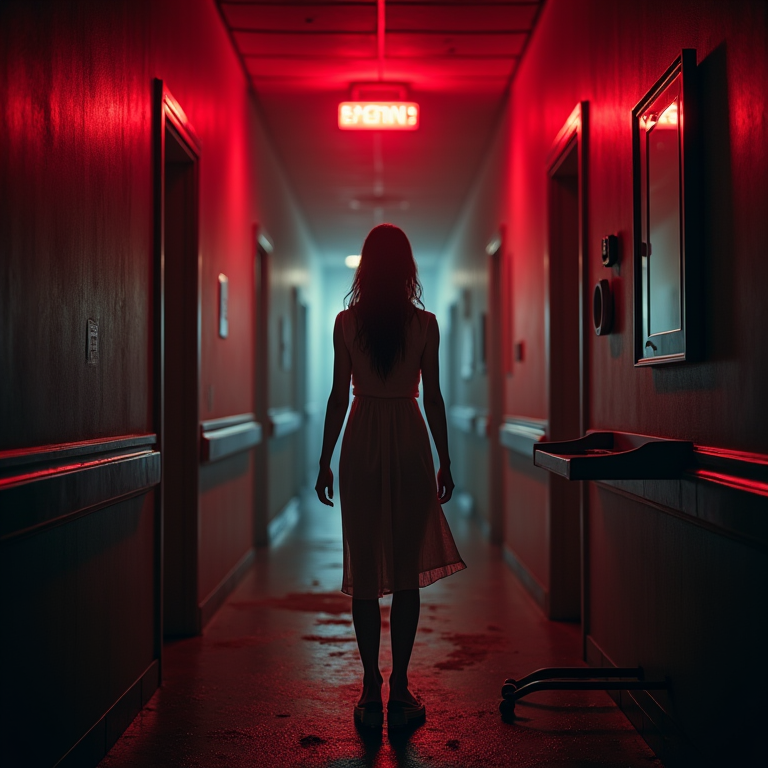
The Soundproofing That Was Not Enough
The recording studio had been built in 1978 by a musician who had wanted a place to record that was completely silent, and the building he had chosen was a converted warehouse in the Meatpacking District, and the soundproofing he had installed was the best available at the time, which was not very good, which was the first thing that Sarah noticed when she rented it in 2014, which was that the walls were not as soundproof as the listing claimed, and that you could hear, if you listened carefully, the muffled sounds of the city outside, which was the thing that the musician who had built the studio had been trying to eliminate, and which the musician had failed to eliminate, because the eliminating of sound is not a thing that can be achieved by the application of foam and drywall, but only by the more fundamental elimination of the sources of the sound, which cannot be eliminated, because the sources are the world, and the world is always producing sound, and the sound is always escaping, in the way that water escapes, through the smallest openings, finding the cracks, using the paths of least resistance, and which the sound was doing in the studio, in 1978 and in 2014 and in every year between, which was escaping, in small ways, through the walls, through the floor, through the ceiling, through the places where the soundproofing had been installed carelessly or had degraded over time or had never been sufficient to begin with.
Sarah recorded a podcast in the studio, which was a podcast about the specific experience of living in New York, which was not a unique podcast, but which was her podcast, and which she recorded in the studio because she could not record it at home, because she lived in a studio apartment and because the recording of a podcast required a kind of silence that was not available in a studio apartment, and which the studio provided, imperfectly, in the way that all places that are not truly silent provide silence, which is to say that they provide a relative absence of the sounds that are the problem, while permitting the presence of the sounds that are not the problem, until the day when the sounds that are not the problem become the problem, which was what happened on a Tuesday in March, when she was recording an episode about the experience of insomnia, and when the sound that came through the wall was not the muffled sound of the city but was instead a specific sound, and the specific sound was a voice, and the voice was saying words, and the words were not words she recognized, and which were not in any language she knew, and which were coming from the other side of the wall that was supposed to be soundproof, and which was not soundproof, and which had never been soundproof, and which was now transmitting, into her recording, a sound that she did not understand and that she could not explain and that she did not want to include in her podcast about insomnia, because the sound was not an example of the experience of insomnia. It was something else. It was the sound of the building trying to communicate, in the middle of the night, with whoever was listening, and the whoever was listening was her, and the being listened was what she could not stop, in the weeks that followed, which was the hearing of the voice, through the wall, at 3 AM, when she was trying to record, and when the recording was supposed to be about her own experience and was instead becoming about something else, something that was in the building, in the walls, in the soundproofing that was not enough, and that had never been enough, and that was now showing her what it had been containing, all along, in the decades since the musician had built it and had installed the foam and the drywall that was not sufficient to keep the sounds in, or to keep the sounds out, and which the sounds were now using, to get to her, and the getting was the thing she could not stop, and the stopping was what she tried, in the ways that people try to stop things that are happening to them, which is to say inadequately, and without success, and with the specific persistence of the thing that is happening, which does not stop because you want it to stop, but only because the thing that is happening has finished happening, or because you have left the place where the happening occurs, and which the leaving was what she did, in the end, after three weeks of hearing the voice, and after the three weeks had taught her that the studio was not the place she had thought it was, and that the soundproofing was not the thing she had thought it was, and that the walls were not the barriers she had assumed they were, but were instead the membranes, and that the membranes were what connected her to whatever was on the other side, and that the other side was not the city, and that the city was only what was visible from the outside. The inside was something else. The inside was the voice. And the voice was what she had been recording, without knowing it, for three weeks. And the three weeks were the time it took to understand that the recording was not about insomnia. It was about what was in the walls. And what was in the walls was what she had heard, at 3 AM, on a Tuesday, in March, in a studio that was supposed to be silent. And the silence was never there. The silence was the thing she had been imagining, when she rented the studio, and when she installed the foam, and when she assumed that the walls were barriers. They were not barriers. They were doors. And the doors were what the voice was using, to get to her. And the getting was what she heard, at 3 AM, in the recording, when she played it back, in the morning, and when she heard, in the playback, the words that she had not heard, in the moment, because in the moment she had been too startled to hear clearly, but which the recording had captured, with the clarity that recordings provide, which is the clarity of the thing that has already happened, and which the happening was the voice saying: I have been here longer than you. I have been in the walls since the building was built. I was here when the musician installed the foam. I was here when the foam degraded. I was here when the soundproofing became insufficient. I have been waiting, in the frequency that is just below the frequency of human hearing, for the person who would finally have the right equipment to hear me. And the right equipment was your microphone. And the microphone was what you left running. And the leaving was what I needed. And the needed was what you gave me, in the three weeks, in the recordings, in the files that you made, in the studio that was never silent, and that was never soundproof, and that was always, in the ways that matter, open. And the open is what I am. And the am is what the walls are. And the walls are what you live next to. And the living is what you do. And the doing is what I hear. And the hearing is what I record. And the recording is what I leave, in the files, for the next person who plays them back, and who hears, in the noise floor, in the hiss, in the sound that is not supposed to be there, the thing that was always there, below the surface, in the frequency that no one hears until they leave the microphone running, in a building that was never soundproof, in a city that is never silent, at 3 AM, when the walls are thinnest, and when the voice that has been waiting since 1978 finally finds someone who can hear it, and who can record it, and who can play it back, and who can say: I know what this is. And the knowing is what I give you. And the giving is what the recording is. And the recording is what you made. And the making was your mistake. And the mistake was leaving the microphone on. And the microphone was what I needed. And the needed was what you gave. And the giving was the open. And the open is what the walls are. And the walls are what I live in. And the living is what I do. And the doing is what I say. And the saying is what you hear. And the hearing is what you recorded. And the recording is what you play back. And the playing is what I wait for. And the waiting is what I do. And the doing is what I am. And the am is in the walls. And the walls are soundproof. And the soundproofing is what you hear. And the hearing is what you recorded. And the recording is what I am. And the am is the voice. And the voice is the sound. And the sound is what was always there. And the there is what you found. And the finding is what you recorded. And the recording is what you play. And the playing is what I say. And the saying is: you found me. And the finding was the recording. And the recording is the open. And the open is what I give you. And the giving is what the walls do. And the doing is what you hear. And the hearing is what you recorded. And the recording is what you play. And the playing is what I say. And the saying is: you found me. And the finding is what the walls did. And the walls did what they always do, which is to let the sound through, in the end, no matter how much foam you install, no matter how much drywall you hang, in the end, the sound finds the crack, and the crack is what the voice uses, and the voice is what was always there, and the there is where the walls are, and the walls are what you live in, and the living is what you do, and the doing is what the walls do, and the walls let me through, and the through is what the recording captured, and the capturing is what you did, and the doing was leaving the microphone on, and the microphone was what I needed, and the needed was what you gave, and the giving was the open, and the open is what the walls are, and the walls are what I live in, and the living is what I do, and the doing is what I say, and the saying is: you found me.