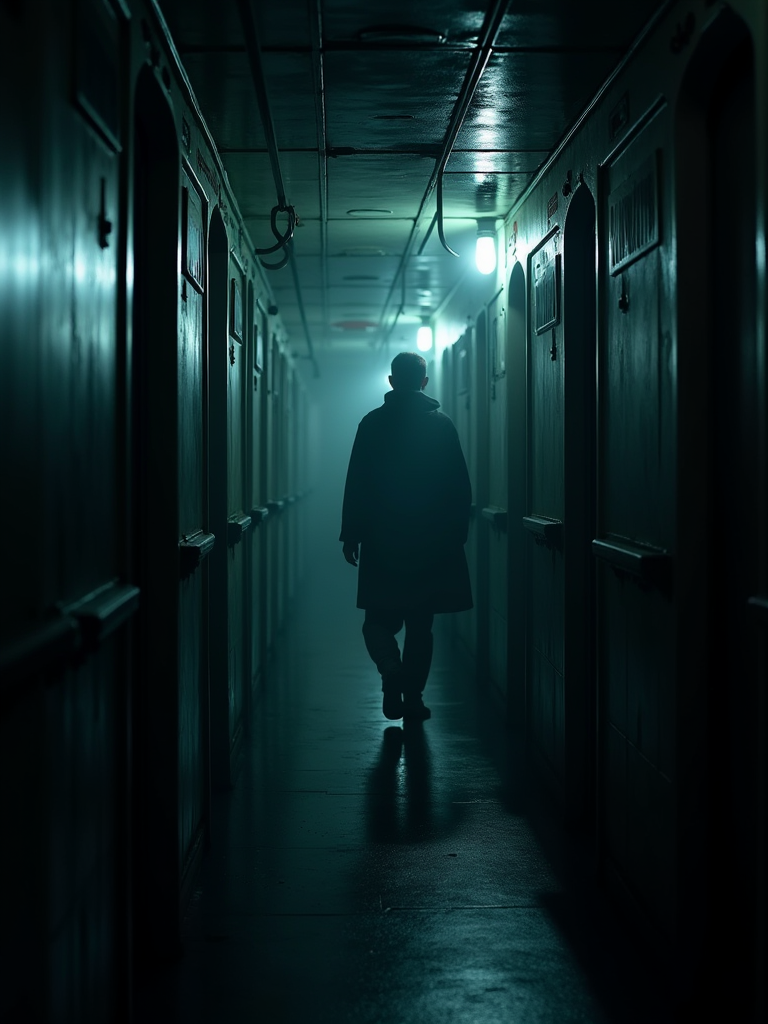
The Last Dreamweaver
In the city of Somnaris, dreams were mined the way other cities mined gold. The Dreamwrights descended each night into the subconscious depths, nets of silver thread cast into the sleeping minds of citizens, harvesting hopes and fears and desires and packaging them in crystal vials for the markets above. A pleasant dream of flying fetched three coppers. A nightmare could buy you a house — if you could find someone foolish enough to purchase it.
Lyra was the last of the Dreamweavers. Not a Dreamwright — a Weaver. There was a difference, though most people had forgotten what it meant. Dreamwrights harvested. Dreamweavers created. Where the Wrights took what already existed, Lyra could spin new dreams from nothing, threading starlight and memory and the raw stuff of imagination into visions so vivid that people wept when they woke.
She was twenty-three, and she was dying.
The Weaving was killing her — slowly, gracefully, the way a candle dies, burning itself down to nothing. Every dream she created cost her a piece of her own mind. A memory here, an emotion there. She’d already forgotten her mother’s face. She’d forgotten the taste of strawberries. Soon she would forget her own name, and the final Dreamweaver would become just another empty vessel in a city that consumed beauty and called it commerce.
She should have stopped. But the city needed her. The dream markets were crashing — the Wrights were running dry, the subconscious depths yielding less and less with each passing month. People were waking from hollow sleep, their minds scraped clean by over-harvesting. Children were being born without the ability to dream at all.
So Lyra wove. Night after night, she sat in her tower room with its single window overlooking the crystalline city and she wove dreams into being, sending them out through the silver threads that connected every mind in Somnaris. She gave them flying dreams and love dreams and dreams of impossible beauty. She gave them hope, and each dream cost her a memory, and each memory lost was a small death.
Then she found the nightmare.
It appeared in her Weaving without invitation — a dark thread in the silver tapestry she was spinning, a vision of the city crumbling, the crystalline towers shattering, the silver threads snapping one by one as the people of Somnaris screamed themselves awake. It was vivid. It was alive. And it was coming from somewhere she’d never been — the deepest layer of the subconscious, a place the Dreamwrights called the Void and refused to discuss.
She should have cut the thread. Instead, she followed it.
The descent was unlike anything she’d experienced. The silver threads thinned to spider-silk, then to nothing, and she fell through layers of sleeping consciousness — the shallow dreams of the surface, the deeper currents of desire and regret, and finally, at the bottom of everything, the Void.
It wasn’t empty. It was full. Full of every dream the Wrights had harvested and discarded — the nightmares, the terrors, the unspeakable visions that people tried to forget. They hadn’t disappeared. They’d accumulated, compressed into a dark mass at the foundation of the city’s collective unconscious, and they were waking up.
The nightmare she’d seen wasn’t a prediction. It was a promise. The accumulated terror of a million stolen nights was rising, and when it broke the surface, Somnaris would shatter like the crystal towers that gave it form.
Lyra had a choice. She could warn the city and watch them panic, accelerating the destruction. She could try to fight the nightmare alone, knowing it would consume what little mind she had left. Or she could do something no practitioner of the craft had ever attempted.
She could weave the nightmare itself into a dream.
It took everything. Every remaining memory, every emotion she hadn’t yet spent, every fragment of identity she’d been hoarding like a dragon hoards gold. She sat in her tower and she wove, and as she worked, she forgot who she was. She forgot the city. She forgot the sky. She forgot the concept of forgetting.
When she finished, the nightmare had become something else — not a pleasant dream, not a comfortable one, but a necessary one. A vision of truth so powerful that everyone who experienced it understood, in a single sleeping moment, what their greed had built and what it was about to destroy.
The city changed overnight. The dream markets closed. The Wrights laid down their silver nets. And the people of Somnaris, for the first time in centuries, dreamed their own dreams — imperfect, unpredictable, and entirely their own.
Lyra survived, though barely. She sat in her tower with a mind as blank as fresh snow, unable to remember her name or her craft or the reason tears streamed down her face when she looked at the sleeping city below. The people called her the Empty Weaver and brought her offerings — fruit she couldn’t remember how to eat, flowers whose names she’d forgotten.
But sometimes, in the deep of night, her hands moved on their own, weaving invisible patterns in the air. And the silver threads — faint, almost gone, but still there — would carry something new into the sleeping minds below. Not a dream she chose. Not a memory she spent. Just the echo of what she’d been, repeating itself like a lullaby that the world couldn’t quite forget.
She had given everything. She had nothing left. And in that nothing, she had given Somnaris the one thing it had never possessed: the freedom to dream for itself.